
Introduction
In the past few years, space tourism companies have gone from being science fiction dreams to real-life pioneers in travel to other worlds. What used to be exclusive for astronauts and research missions is now available to anyone who is willing to pay for a seat in space. These groups are pushing the limits of technology, safety, and human imagination, which is starting a new chapter in the history of exploration. These firms are attempting to make trips outside the Earth’s atmosphere a reality, however they will cost a lot of money at first.
The Idea Behind Space Tourism
The common goal of most space tourism organizations is to make space accessible to those who aren’t professional astronauts. This goal goes beyond just luxury travel; it’s about inspiring people, encouraging new ideas, and building the foundation for civilization on other planets. These companies want to revolutionize the way people think about our planet and our role in the universe by delivering orbital and suborbital flights. Their work has effects on education, raising awareness about the environment, and even plans to colonize planets like Mars in the future.
Leaders and Innovators in Business
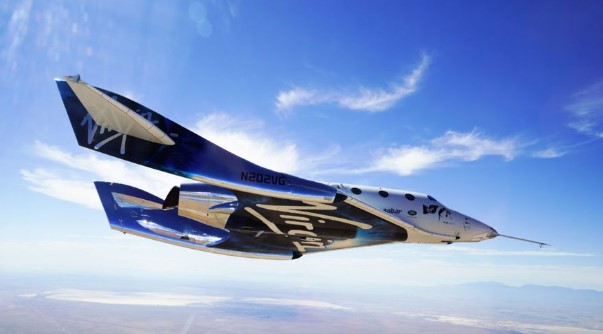
These days, a lot of space tourism companies are in the news because of their new technologies and big launches. Each player has their own distinct ideas, from reusable rocket systems to stylish passenger capsules. Some people want to go on short flights to space where they will be weightless for a few minutes, while others want to spend a long time in orbit on private space stations. SpaceX, Blue Origin, and Virgin Galactic are the biggest players in the industry, but more and more smaller startups are becoming involved, bringing new ideas and a competitive spirit. The many ways of doing things are speeding up progress and making space flight more than just a dream for the rich.
Technological advances are pushing the industry forward.
New discoveries in aerospace engineering have made it possible for space tourism enterprises to flourish so quickly. Reusable rockets, better heat shields, self-driving navigation systems, and environmentally friendly ways to move things are all changing the economics of spaceflight. These improvements lower the cost of launching, make it safer, and let flights turn around more quickly. The goal of traveling to space more often and for less money becomes more and more possible as technology improves. This quest for the best technology keeps things new all the time, which is good for both tourist and scientific research.
Effects on the economy and chances
The rise of space tourism firms has had implications that go beyond the aerospace industry. Their work creates jobs in engineering, manufacturing, research, and hospitality. This new industry is helping whole supply chains, from training facilities for astronauts to specialty materials. Tech enthusiasts, venture capitalists, and even governments trying to increase their country’s prestige are also interested in investing in tourism beyond Earth. In the long run, as prices go down, space travel might become a big part of the global tourist business, maybe even competing with luxury cruises and exotic trips on Earth.
Problems the industry is having
The potential is exciting, but space tourism companies have a lot of problems to deal with. Safety is still the most important thing, because even small problems can have terrible effects. Another problem is that national and international agencies keep a close eye on commercial spaceflight. Also, firms are looking for better propulsion systems because of worries about the environment caused by rocket emissions. The high cost of tickets makes it hard for people to get to the market, but competition and new ideas should lower prices over time. To make sure that the industry can keep growing, it is important to deal with these problems.
The Importance of Training and Getting Ready
Passenger training is a unique service that space tourism companies offer. Spaceflight is different from ordinary airplane travel in that participants have to get ready both physically and mentally. This includes practicing safety procedures, learning about life-support equipment, and simulating zero gravity. The training helps passengers deal with the strong G-forces during launch and re-entry, as well as the confusing effects of microgravity. This planning not only makes sure everyone is secure, but it also makes the trip more enjoyable and memorable, as well as educational.
Things to think about for the environment
As demand develops, space tourism operators need to deal with worries about the environmental impact of launching rockets often. Researchers are still looking at rocket emissions, noise pollution, and other consequences on the atmosphere. To lessen their influence on the environment, a lot of businesses are trying out alternative fuels, more efficient engines, and carbon offset programs. To win public trust and stay in business in a world that is becoming more ecologically conscious, it will be important to find a balance between the exhilaration of space flight and being responsible with the environment.
What Will Happen with Space Tourism in the Future
It looks like space tourism companies will have a bright future. Trends show that people will stay longer, there will be hotels in orbit, and even trips to the moon. As technology gets better, prices are likely to go down, making space travel easier for those in the middle and upper-middle classes. Private firms and space organizations working together could lead to hybrid missions that combine tourism with scientific study. In the end, these kinds of partnerships could make it possible for people to live permanently outside of Earth. What is now an adventure could become a method for people to spread out throughout the solar system.
Cultural and Human Importance
Space tourism enterprises are changing culture and people’s sense of self in addition to the technological and commercial aspects. The “Overview Effect” is what happens when you see Earth from space. It can change your point of view in a big way, making you feel more connected to the planet and responsible for taking care of it. These life-changing events could motivate a new group of scientists, engineers, and visionaries to keep pushing the boundaries of discovery. In this way, space tourism isn’t only about going places; it’s also about changing how people think.
Conclusion: The Start of a New Era in Travel
Companies that offer space tourism companies are paving the way for a time when the last frontier becomes a tourist spot. This business is still very new, yet it is moving forward at an amazing rate because to vision, technology, and people’s natural curiosity. The problems are big, but so are the possible benefits, not just for money but also for the future of civilization. As these businesses get better at what they do, the goal of going beyond Earth could soon go from being an elite luxury to a once-in-a-lifetime adventure that many people can have.

