
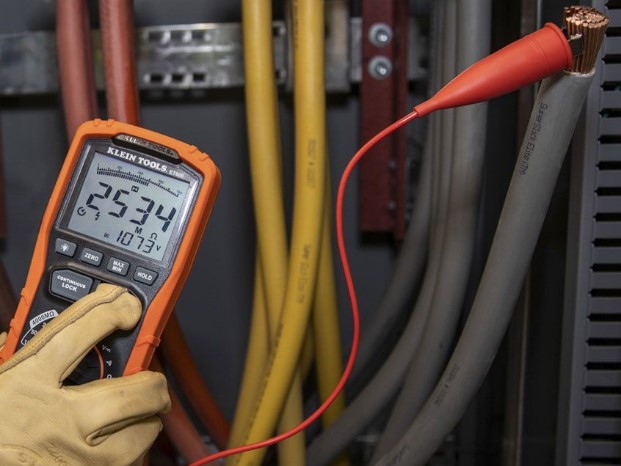
Maintaining a reliable water system requires precision and attention. One essential tool in this process is a backflow test kit. Ensuring it functions correctly is critical for safety and compliance. Proper calibration of these kits helps detect water flow issues accurately, preventing contamination risks. By following structured calibration tips, you can maintain your equipment efficiently and ensure the safety of your water supply.
Understanding Backflow Test Kit Calibration
Backflow test kit calibration involves adjusting your testing equipment so that it provides accurate readings. A backflow test kit measures the water pressure and flow to ensure no contaminated water flows backward into the clean supply. Regular calibration ensures your readings are precise, avoiding false results that could compromise safety. Keeping a schedule for these checks is key to long-term reliability.
Preparing Equipment Before Backflow Test Kit Calibration
Before calibrating, it’s crucial to prepare your backflow test kit properly. Start by cleaning all parts and checking for visible wear or damage. Ensure all hoses, gauges, and connections are intact. Power on the device if electronic and let it stabilize. Proper preparation prevents errors during calibration and extends the life of your equipment. A well-prepared kit delivers accurate results every time, making maintenance more efficient.
Checking Accuracy During Backflow Test Kit Calibration
During calibration, accuracy checks are essential. Compare your readings with known reference values or use a master gauge. Record discrepancies carefully and adjust the kit as needed. Precision at this stage is critical; even minor deviations can lead to false reports. Regularly verifying accuracy ensures that your backflow test kit calibration is correct, providing reliable data for maintenance purposes and keeping your water system safe.
Maintaining Consistency After Backflow Test Kit Calibration
Consistency is the cornerstone of effective backflow test kit calibration. After adjustment, perform multiple tests to confirm stable readings. Avoid using the kit in extreme temperatures or under stress immediately after calibration. Keeping a consistent testing routine ensures the equipment stays reliable, reducing the chance of unexpected errors during real-world use. Consistent practices make your maintenance routine smoother and more predictable.
Documenting Calibration Results For Future Reference
Recording results is an often-overlooked step in backflow test kit calibration. Keep detailed logs of calibration dates, adjustments made, and any anomalies observed. Documentation allows for easier troubleshooting and demonstrates compliance during inspections. Accurate records also help identify patterns in your equipment’s performance over time, making future calibrations faster and more precise.
Regular Cleaning And Storage Practices
Proper maintenance extends beyond calibration. Clean your kit thoroughly after each use, and store it in a dry, safe location. Protecting sensitive components from dust, moisture, or mechanical shocks preserves accuracy. Routine cleaning and careful storage complement backflow test kit calibration, ensuring your equipment remains in peak condition for years.
Conclusion
Backflow test kit calibration is more than a technical task—it’s a preventive measure that safeguards water quality and system efficiency. From preparation to documentation, each step contributes to accurate, reliable performance. Following these calibration tips ensures your maintenance routine is effective, minimizes errors, and extends the life of your equipment. Prioritizing precision today makes your water system safer tomorrow.

