
Introduction
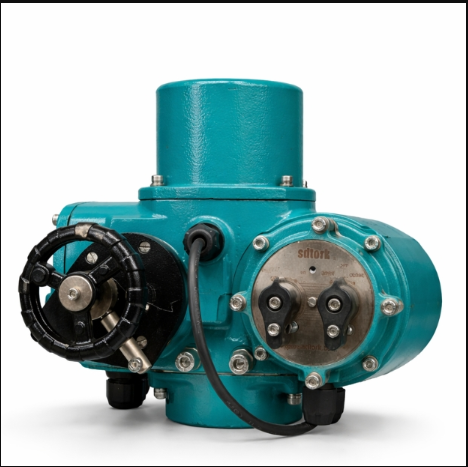
Electric actuators have become essential components in modern industrial automation because they provide controlled and reliable movement for valves, dampers and other mechanical equipment. Different applications require different actuator characteristics, depending on valve design, operating environment, torque requirements and control systems. A Multi Turn Electric Actuator is particularly useful for valves that require multiple rotations to travel from fully open to fully closed. In outdoor or exposed installations, a Weatherproof Electric Actuator provides additional protection against environmental conditions such as rain, dust and moisture. Meanwhile, a High Torque Electric Actuator is designed for applications where significant rotational force is required to operate large or demanding valves.
Selecting the right actuator can improve process control, reduce manual intervention and support dependable plant operation. Understanding how these three actuator types work and where they are most useful helps engineers and plant operators make better automation decisions.
What Is a Multi Turn Electric Actuator?
A Multi Turn Electric Actuator is an electrically powered actuator designed to generate several complete rotations of its output shaft. This characteristic makes it suitable for valves that require multiple turns for complete travel. Common examples include gate valves and globe valves, where the valve stem must move through a considerable distance before reaching the required position.
The actuator receives an electrical command from a local control station, remote system or automated control platform. Its motor converts electrical energy into mechanical movement, while gearing controls the speed and increases the usable output force. Depending on the design, the actuator may include limit switches, torque protection, position indicators and feedback systems.
The multi-turn design allows controlled valve movement and can be integrated into automated industrial processes. Instead of depending on workers to manually rotate a valve handwheel, operators can control the valve electronically. This improves convenience and can also provide more consistent operation across repetitive process cycles.
Applications of Multi Turn Electric Actuators
A Multi Turn Electric Actuator can be used across several industrial sectors where valves require multiple rotations. Water treatment facilities commonly use this type of actuator for controlling water flow through large pipelines. Power plants can use multi-turn systems on steam, feedwater and cooling-water applications, depending on the valve and process conditions.
Industrial manufacturing facilities may also use these actuators for utility systems, process pipelines and fluid distribution networks. Their ability to provide controlled movement makes them useful when precise valve positioning is necessary.
Another important benefit is integration with centralized automation. A multi-turn actuator can receive commands from a programmable control system and provide feedback about valve position. This allows operators to monitor equipment without being physically present at every valve.
Proper actuator sizing remains essential. Engineers should consider valve torque, stem thrust, operating speed, duty cycle and process conditions before selecting a particular model.
Understanding Weatherproof Electric Actuators
Outdoor industrial equipment is frequently exposed to changing environmental conditions. Rain, humidity, dust, temperature fluctuations and airborne contaminants can affect electrical equipment if it does not have suitable protection. A Weatherproof Electric Actuator is designed with environmental protection in mind, making it suitable for installations where exposure to weather is a concern.
The enclosure and sealing system are important components of weather-resistant actuator construction. Properly protected electrical components can help reduce the risk of moisture and dust entering sensitive areas. However, the required level of protection depends on the actual installation environment and applicable equipment standards.
Weatherproof actuators can be used in water treatment facilities, outdoor pipelines, utility plants, power facilities and industrial infrastructure. They are especially useful where valves are installed outside buildings or in partially exposed areas.
A Weatherproof Electric Actuator can help provide dependable valve operation while reducing the vulnerability of the actuator to environmental conditions. Correct installation, cable protection and regular inspection are still necessary to maintain the intended protection throughout the actuator’s service life.
Benefits of Weatherproof Electric Actuators
One of the main advantages of a Weatherproof Electric Actuator is its suitability for exposed installations. Industrial facilities often have valves located outdoors because pipelines and process equipment may extend across large areas. Bringing every valve inside a protected building is not practical, so appropriately protected automation equipment becomes important.
Weather-resistant construction can help protect internal electrical and mechanical components from moisture, dust and other environmental influences. This can contribute to longer equipment life when the actuator is properly selected for the application.
Weatherproof actuators can also support remote operation. Operators can control outdoor valves from a centralized location rather than repeatedly traveling to each valve. This can improve operational efficiency and may reduce unnecessary exposure to difficult working conditions.
However, weatherproof does not mean maintenance-free. Seals, cable entries, covers and mounting arrangements should be inspected periodically. Any damage to protective components should be addressed promptly to preserve actuator reliability.
What Is a High Torque Electric Actuator?
Some industrial valves require substantial rotational force to move, especially when they are large, heavily loaded or exposed to challenging process conditions. A High Torque Electric Actuator is designed for applications where greater output torque is needed to operate the connected equipment.
Torque is one of the most important actuator-selection factors. The actuator must provide enough torque to overcome the valve’s operating resistance while maintaining an appropriate safety margin. Undersizing an actuator can cause unreliable operation, while excessive sizing may increase equipment cost and energy requirements.
High-torque electric actuators are commonly considered for large butterfly valves, ball valves, dampers and other industrial equipment requiring significant rotational movement. Their application depends on the mechanical characteristics of the connected valve.
A properly selected High Torque Electric Actuator can provide controlled and repeatable operation. When combined with suitable feedback and control equipment, it can also support automated valve positioning and remote monitoring.
Applications of High Torque Electric Actuators
A High Torque Electric Actuator can be useful in industries such as power generation, oil and gas, water treatment, mining, chemical processing and heavy manufacturing. Large valves in these facilities may require considerable force because of their size, pressure conditions or mechanical resistance.
For example, large butterfly valves used in water distribution systems can require substantial torque, particularly during certain operating conditions. Industrial dampers and process valves can have similar requirements.
Heavy-duty applications often demand more than simply high torque. The actuator may also need appropriate duty-cycle capability, environmental protection, thermal performance and mechanical durability. Engineers should therefore consider the complete operating profile rather than selecting equipment based solely on a maximum torque value.
A High Torque Electric Actuator should be matched carefully with the valve manufacturer’s torque requirements. This approach helps avoid operating problems and supports reliable long-term automation.
Key Differences Between the Three Actuator Types
Although all three actuator categories provide motorized operation, their primary design priorities are different. A Multi Turn Electric Actuator is mainly identified by the number of rotations its output mechanism provides. It is suitable for valves requiring multi-turn movement.
A Weatherproof Electric Actuator focuses primarily on protection against environmental exposure. It can be appropriate for outdoor installations where rain, humidity, dust or other conditions may affect equipment.
A High Torque Electric Actuator is focused on output force. It is selected when the connected valve or equipment requires significant torque for reliable operation.
These characteristics can sometimes overlap. For example, an outdoor valve may require both weather protection and high torque. Similarly, a multi-turn valve installed outdoors may require a multi-turn actuator with suitable environmental protection. Therefore, actuator selection should be based on the complete application rather than a single product category.
| Actuator Type | Main Feature | Typical Applications |
|---|---|---|
| Multi Turn Electric Actuator | Multiple output rotations | Gate and globe valves |
| Weatherproof Electric Actuator | Environmental protection | Outdoor valves and pipelines |
| High Torque Electric Actuator | High rotational output | Large valves and industrial dampers |
Selecting the Right Electric Actuator
Choosing the correct actuator begins with understanding the valve or equipment that needs to be operated. Valve type, operating torque, stem movement, required speed and travel are all important factors. The actuator should provide sufficient output capability without being unnecessarily oversized.
Environmental conditions should also be reviewed. Outdoor installations may require a Weatherproof Electric Actuator, while demanding mechanical applications may require a High Torque Electric Actuator. If the valve requires several complete rotations, a Multi Turn Electric Actuator may be the appropriate configuration.
Electrical supply and control architecture are equally important. Voltage, frequency, control signals and communication requirements should match the available plant infrastructure. If position feedback is required, the actuator should support the appropriate sensors or feedback devices.
Duty cycle should not be overlooked. Some valves operate only occasionally, while others may cycle frequently throughout the day. Selecting an actuator with a suitable duty rating helps ensure reliable performance under actual operating conditions.
Automation and Remote Control
Modern industrial facilities increasingly depend on centralized automation. Electric actuators can be connected to programmable logic controllers, distributed control systems and other plant automation platforms. This enables operators to issue commands remotely and monitor equipment status.
A Multi Turn Electric Actuator can provide feedback on the position of valves that require multiple rotations. A Weatherproof Electric Actuator can bring similar remote-control capabilities to outdoor installations. A High Torque Electric Actuator can automate large valves and other equipment that would otherwise require significant manual effort.
Remote operation can improve process consistency because valves can be operated according to programmed sequences. It can also reduce the need for operators to travel throughout a facility to manually adjust equipment.
With suitable sensors and control integration, actuator systems can provide information about valve position, operating conditions and potential faults. This supports better plant visibility and can contribute to more efficient maintenance planning.
Maintenance and Long-Term Performance
Regular maintenance is essential for achieving reliable actuator performance. Even robust equipment can experience wear if it is exposed to demanding conditions for long periods. Maintenance schedules should follow the actuator manufacturer’s recommendations and the actual operating environment.
For a Multi Turn Electric Actuator, technicians should inspect mechanical components, position mechanisms and electrical connections. A Weatherproof Electric Actuator requires particular attention to enclosure seals, cable entries and external protection. A High Torque Electric Actuator should be checked for mechanical wear, mounting integrity and abnormal operating loads.
Unusual sounds, excessive vibration, slow movement or inconsistent positioning may indicate that inspection is required. Early identification of these conditions can help prevent more serious equipment problems.
Proper commissioning is equally important. Incorrect actuator-to-valve alignment or unsuitable torque settings can affect performance. Careful installation and periodic inspection can significantly contribute to reliable service life.
Improving Industrial Efficiency
Electric actuation can provide more than basic valve movement. When properly integrated into a process-control system, it can improve repeatability, monitoring and operational efficiency. Automated valve positioning can reduce dependence on manual adjustments and help maintain consistent process conditions.
A Multi Turn Electric Actuator can provide controlled movement for multi-turn valves, while a Weatherproof Electric Actuator can support reliable automation in exposed locations. A High Torque Electric Actuator can help automate demanding applications that require greater mechanical output.
The overall benefit depends on correct engineering. Actuator sizing, valve compatibility, environmental protection, control integration and maintenance all influence the final result. A well-designed system can help reduce unnecessary downtime while supporting safer and more efficient plant operation.
Future of Electric Valve Actuation
The future of electric valve automation is increasingly connected with intelligent monitoring and digital control. Actuators are becoming more capable of providing position feedback, diagnostic information and communication with centralized systems.
Condition monitoring may allow maintenance teams to identify changes in actuator performance before a failure occurs. Digital communication can also make it easier to monitor multiple valves from a centralized control room.
Energy efficiency is another growing consideration. Selecting appropriately sized actuators and using efficient control strategies can help reduce unnecessary energy consumption.
As industrial facilities become more automated, the importance of reliable actuator technology will continue to increase. Multi-turn, weather-resistant and high-torque designs each have an important role to play in meeting different operational requirements.
Conclusion
Electric actuators provide an effective way to automate valves and mechanical equipment across a wide range of industries. A Multi Turn Electric Actuator is well suited to valves that require multiple rotations, while a Weatherproof Electric Actuator provides a practical solution for exposed installations where environmental protection is important. A High Torque Electric Actuator is valuable for applications requiring substantial rotational force.
The best actuator is determined by the valve design, torque requirement, movement, environment, duty cycle and control system. By carefully evaluating these factors, industrial facilities can achieve reliable automation, consistent valve operation and improved process efficiency. Proper installation and preventive maintenance further ensure that actuator systems continue to perform effectively throughout their operating life.

